History
Fish and Chips – The Great British Tradition
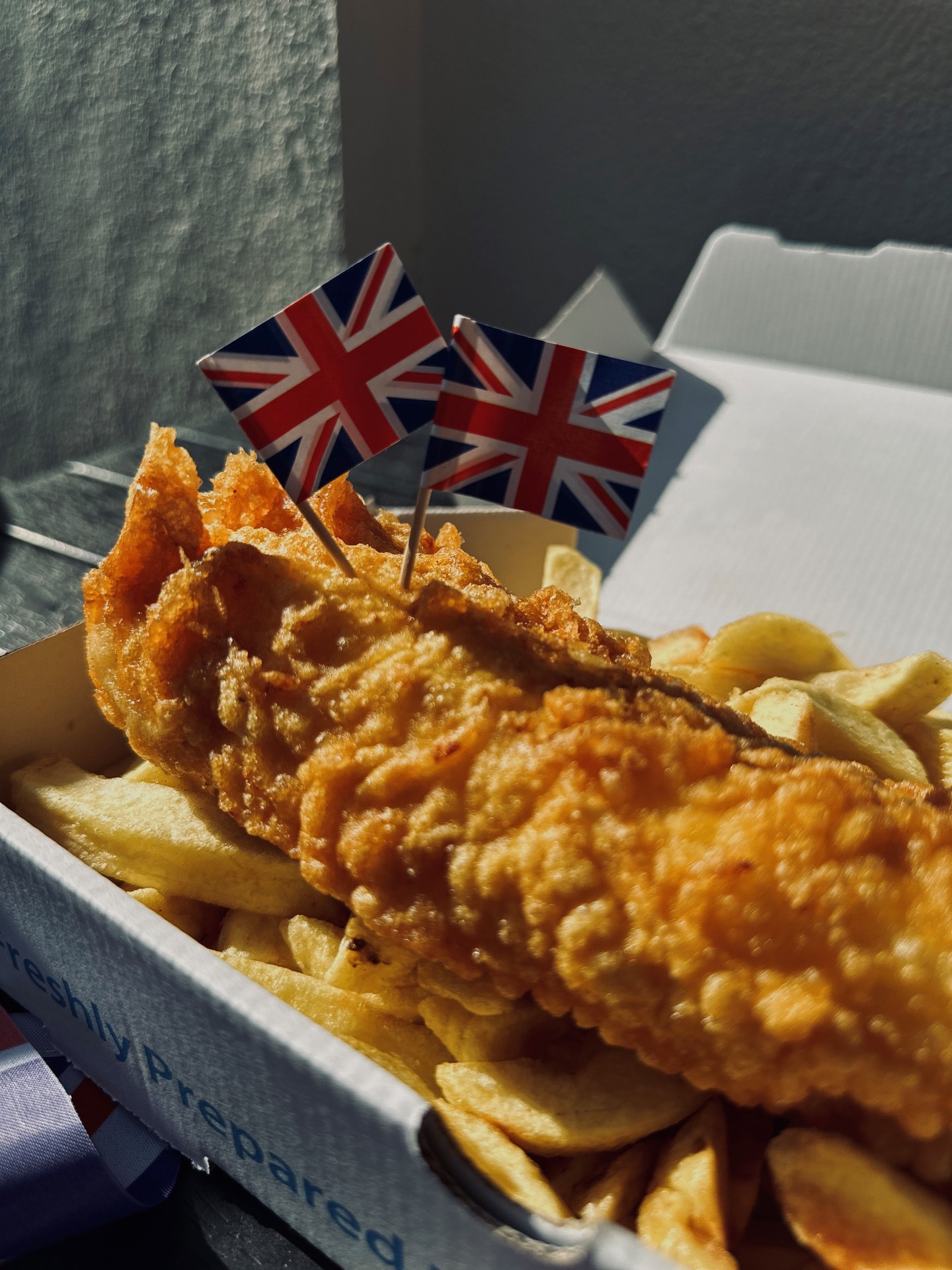
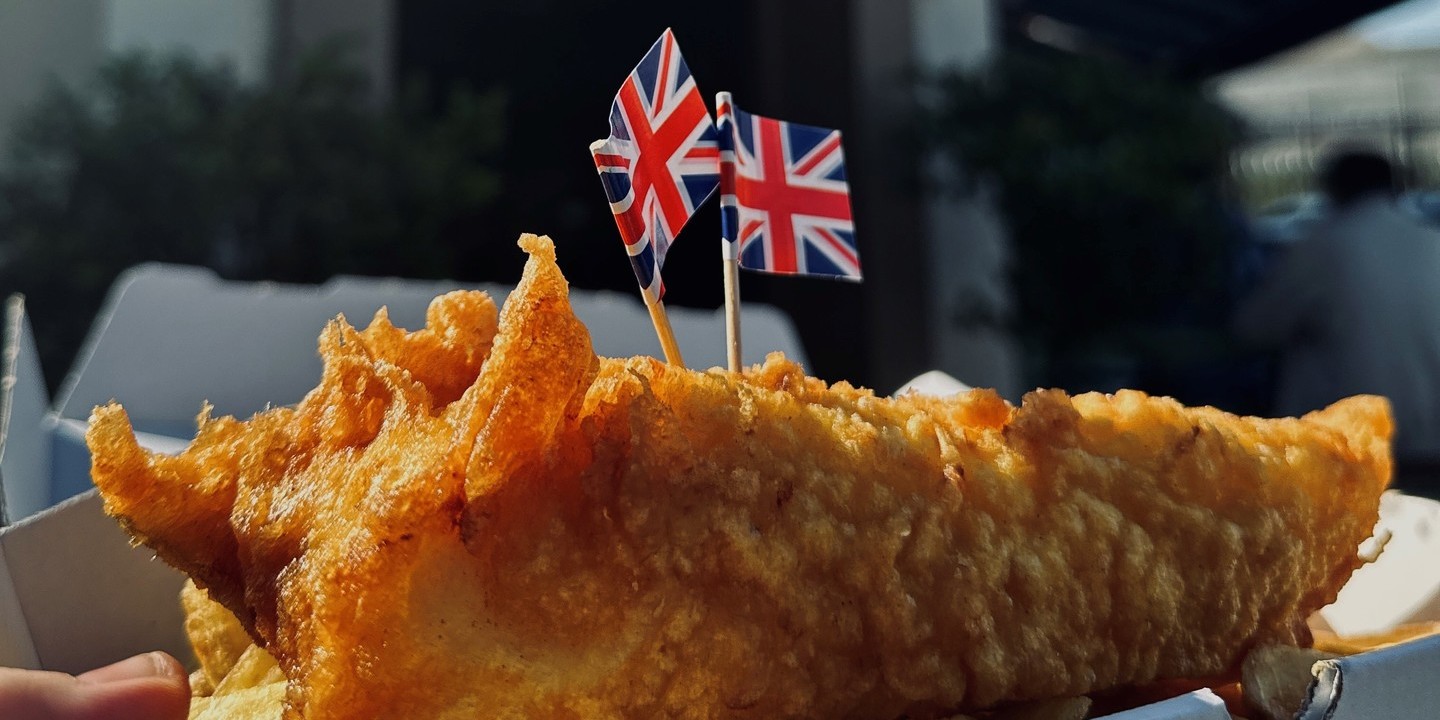
The mouth-watering combination of deep-fried potatoes and fish in batter has for decades been the leading take-away food in the UK, where it originated, and has also found growing popularity in such countries as Australia, Canada, New Zealand, South Africa and in some coastal towns of the Netherlands and Norway.
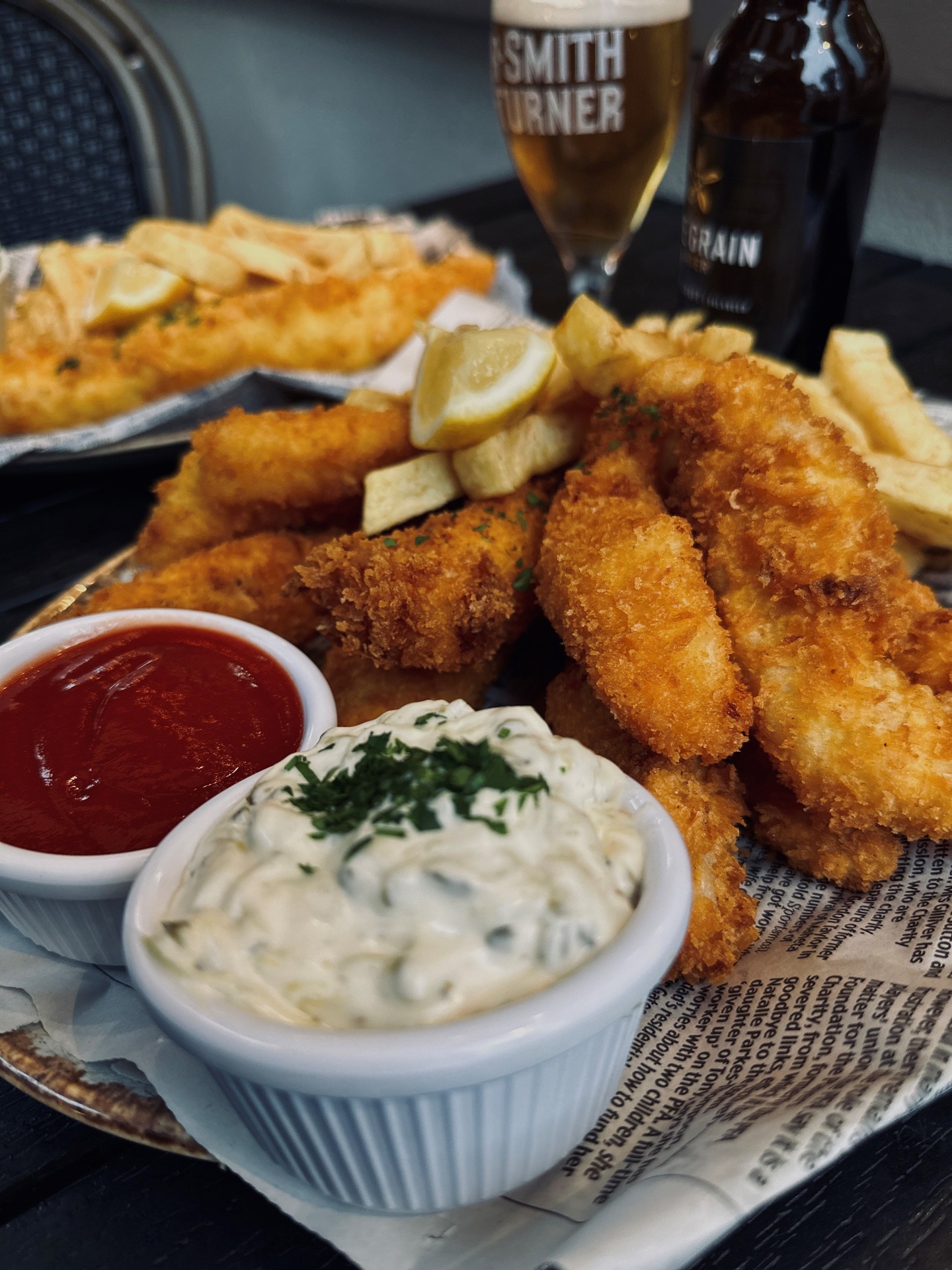
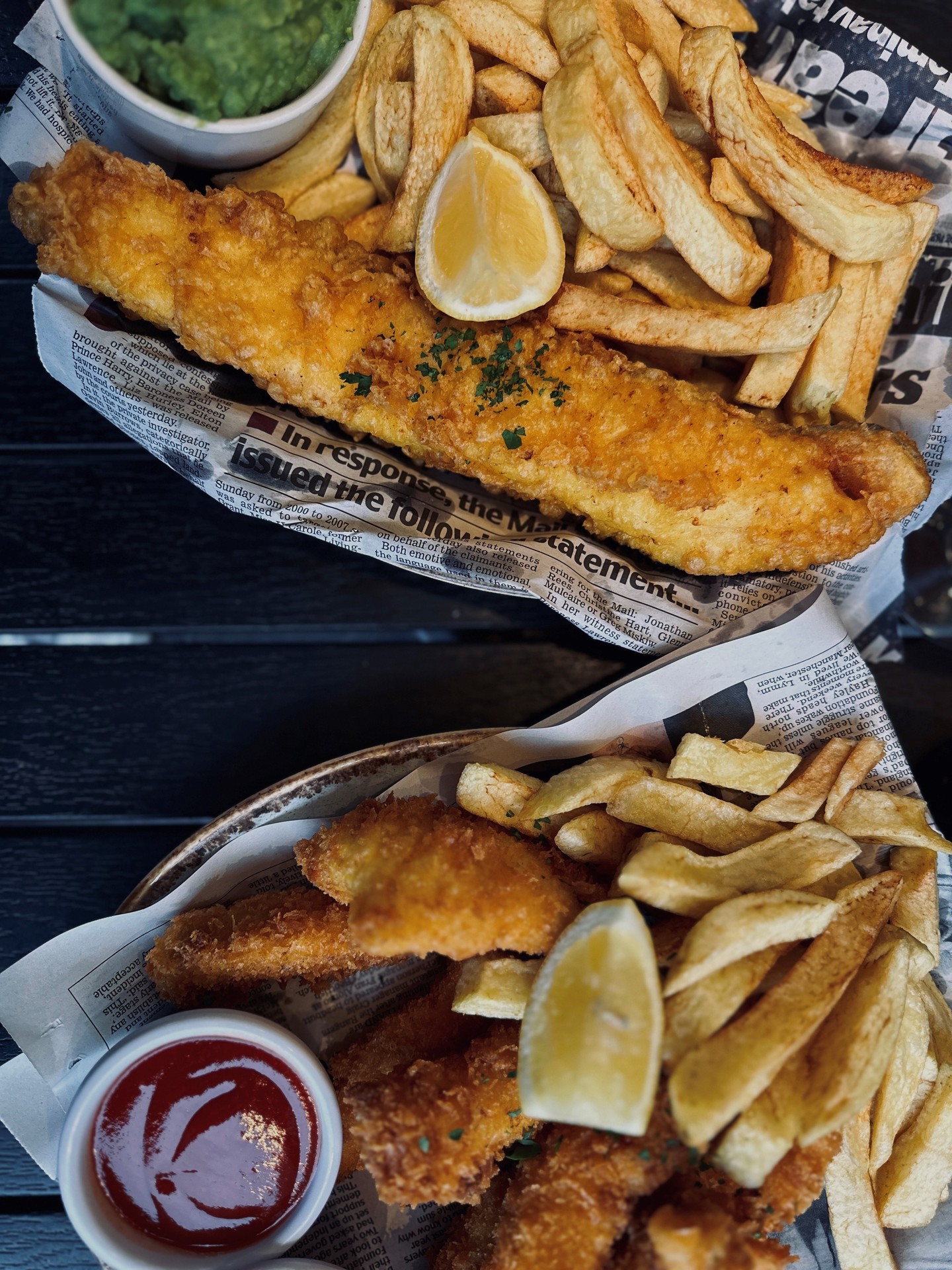
In British and international usage the fried potatoes are called chips, and while American English calls them French Fries (the popularity of the deep-fried potato is thought to have been brought to America by soldiers stationed in France and Belgium during the First World War), the dish is still known as ‘fish and chips’. The best chips are made from the more floury varieties of potato, such as a Lincolnshire White or Maris Piper; the most commonly used fish is the Cod, though other white fish such as Haddock, Pollock, Skate and Rock Salmon (or Dogfish) are also popular choices. Traditionally, both fish and potatoes are fried in beef drippings, though other oils – such as vegetable and ground nut – have become more prevalent.
The original fish and chips meal would have been served wrapped in newspaper or blank newsprint with an inner white paper wrapping to keep the ink from staining the food. This practice has largely ceased for reasons of hygiene and food safety, and now special food wrapping is used, though it is often printed on the outside to look more like the traditional newspaper.
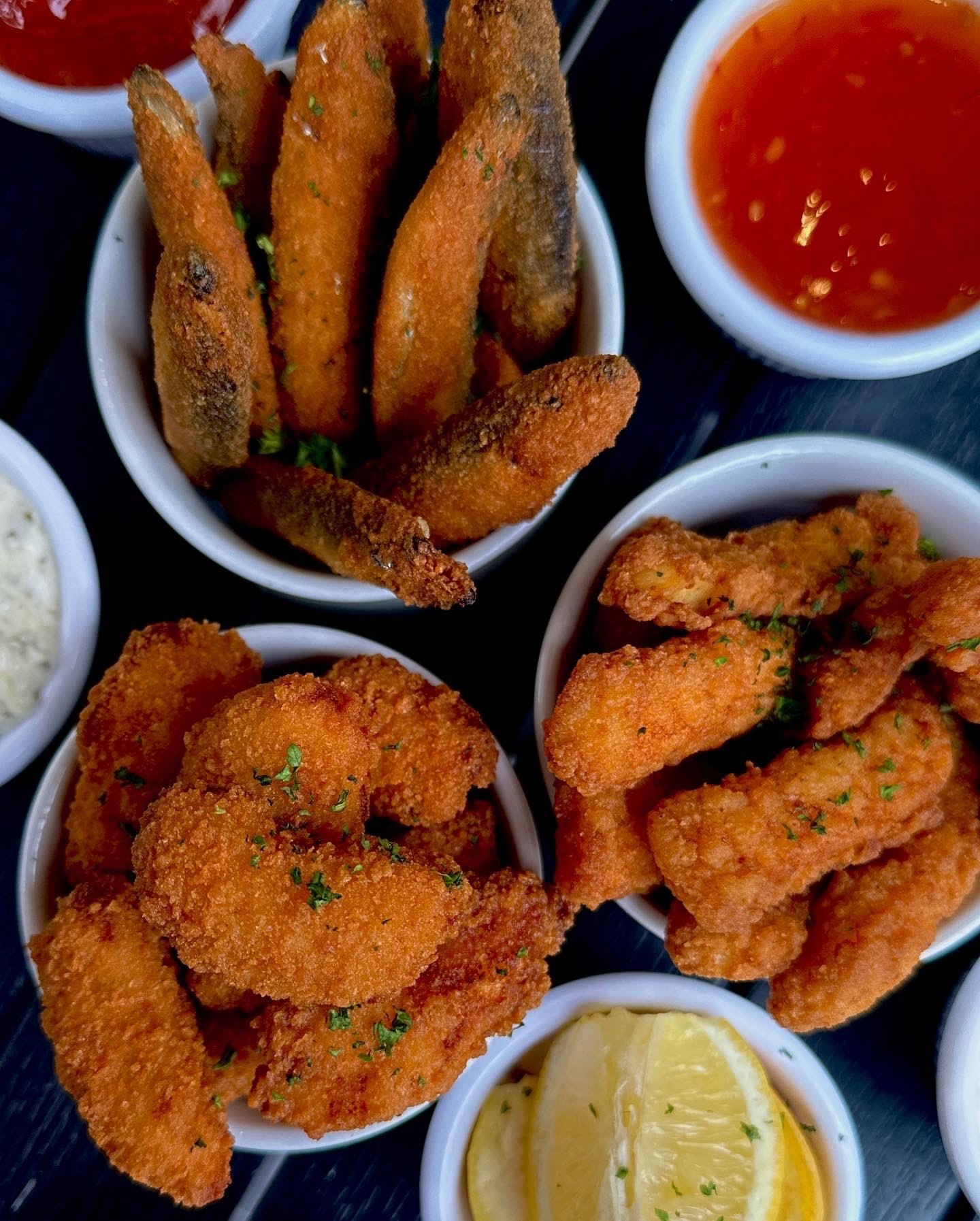
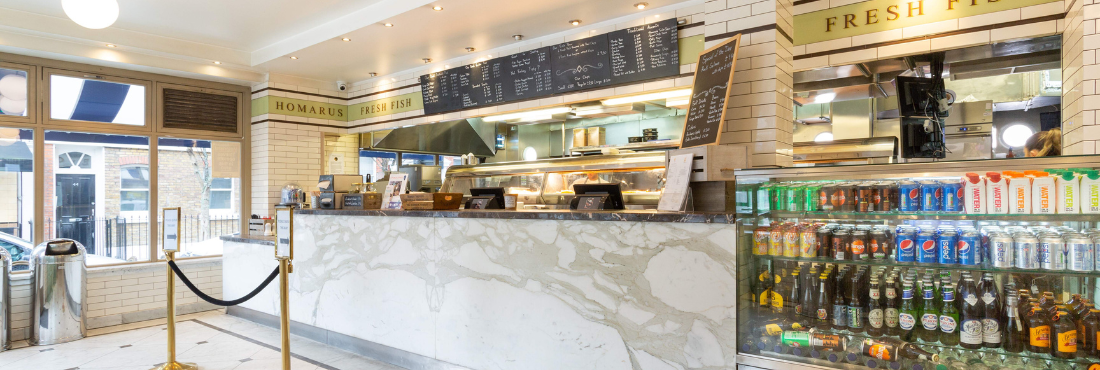
Today, most fish and chip shops have expanded their menus to cater to a wider variety of tastes, offering such alternatives as sausages or saveloys, fried chicken, fishcakes and the equally traditional pie.
The Original Fusion Cuisine – A Brief History
Fish and chips is thought to be a quintessentially British meal, but the original inspiration came from the pairing of Jewish and French dishes. The two foods obviously have been served separately and in a wide variety of forms for hundreds of years – though the potato wasn’t introduced to Europe until the sixteenth century, imported from Spanish South America. The original Sephardi dish of Pescado Frito, literally deep-fried fish, came to England with Spanish and Portuguese Jews in the seventeenth and eighteenth centuries, but it wasn’t until the mid-nineteenth century that the dish became popular in London and the South East of England (Charles Dickens mentions the growing vogue for fried fish warehouses in Oliver Twist). At the same time, a trade in deep-fried ‘chipped’ potatoes, made popular by the eighteenth-century French chemist August Parmentier, was developing in the increasingly industrial North of England to meet the culinary needs of the working classes. It is hard to pinpoint an exact merging of the two dishes, but the first known fish and chips shop is thought to have been the one opened in 1860 by Joseph Malin on Cleveland Street in London’s East End.
In the mid-nineteenth century the vast majority of English society was more concerned with obtaining enough food of sufficient quality to sustain life than with the variety of their daily diet. Fish and chips was considered the best of the available ‘cheap and tasty’ options and so the dish quickly became popular, especially in the growing industrial regions, for its amalgamation of economy, nutrition and taste. The rapidly growing popularity of the dish, and its association with the rise of England as a nation of industrial power, has cemented its place at the heart of British culture. By the mid-twentieth century this ever-popular dish had charted an unprecedented course from a staple of the impoverished and industrial classes to the trendy tourist fare of today.